Loading...
Serving Lynchburg, VA and surrounding areas. (434) 215-1411
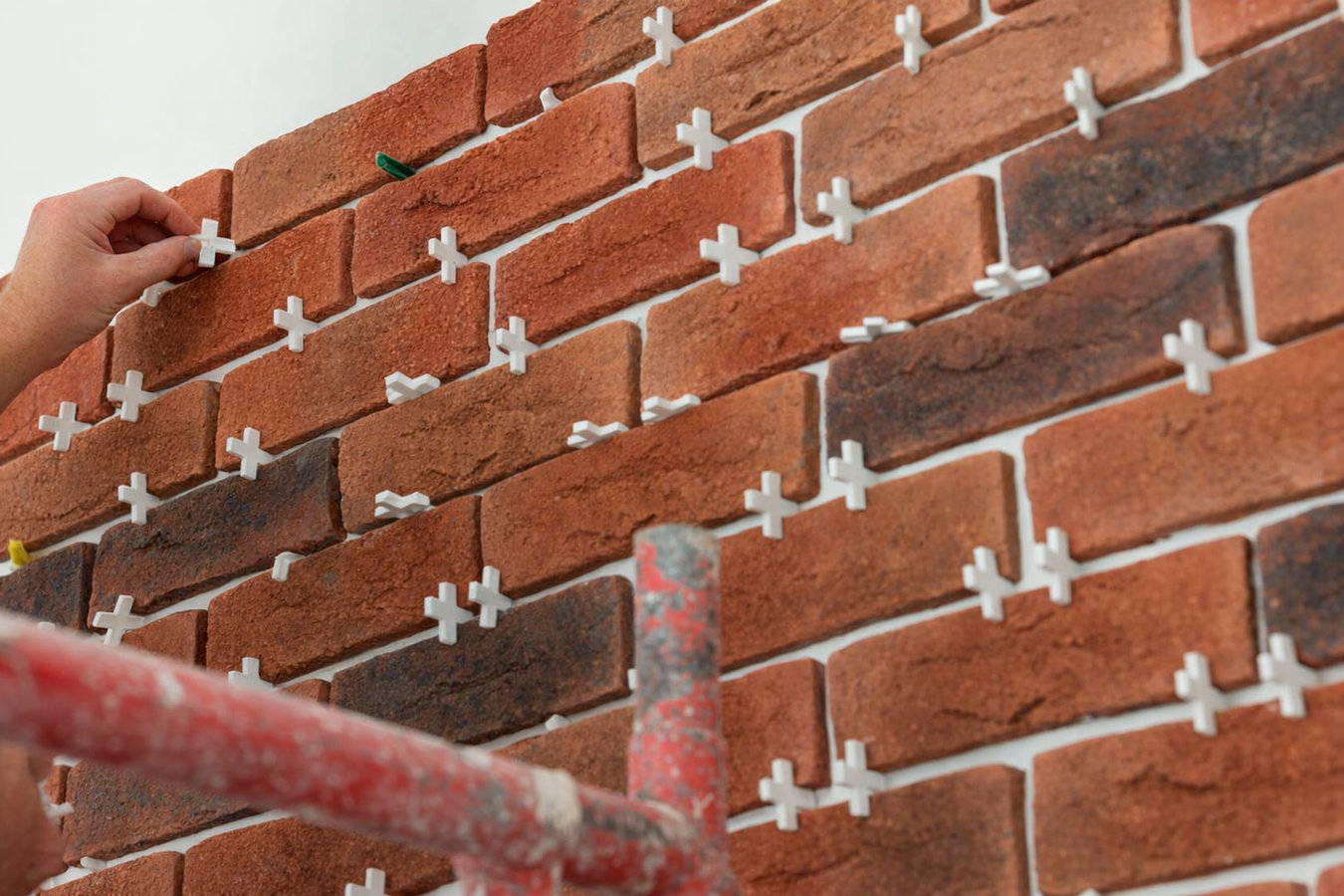
A leaning retaining wall, crumbling mortar, or an open yard that needs a privacy border - we install brick walls that start with a proper footing and hold up through Lynchburg winters year after year.
Brick wall installation in Lynchburg starts with a concrete footing buried below the frost line, then rows of brick bonded with mortar are built up by hand - most residential garden or privacy walls take one to two weeks from first dig to final cleanup, depending on size and site conditions.
Homeowners come to us for three main reasons: an existing wall that has shifted, cracked, or started to lean; a new garden border or privacy wall they have been planning; or a retaining feature on a sloped Lynchburg lot that is doing real structural work. Brick wall installation in Lynchburg requires more than setting courses straight - the footing work underneath determines whether the wall stays standing for 50 years or starts to move after the first wet winter.
If your existing brick is showing wear in the mortar joints rather than structural movement, that work may be addressed through brick repair without a full rebuild - something we can assess during a free site visit.
Diagonal cracks that step from joint to joint along the face of a wall signal that the foundation has shifted. In Lynchburg, this often comes from clay soil expanding and contracting with seasonal moisture changes. A small crack caught early may be repairable, but a wall that has moved significantly typically needs to be rebuilt from the footing up.
Run your finger along the joints. If the mortar crumbles, feels soft, or has visible gaps, the wall is losing its structural bond. Lynchburg's freeze-thaw winters accelerate this - water gets into weakened joints, freezes, and pushes the mortar out further each season. Left unaddressed, loose bricks follow.
A wall that is visibly tilting away from the slope it holds back is under stress and may be close to failing. This is a safety issue. On Lynchburg's sloped residential lots, retaining walls carry significant soil pressure after heavy rain - if yours looks like it is moving, get a mason to look at it before the next wet season.
If you are planning a new outdoor living space, defining your property line, or need to hold back a slope on your hilly Lynchburg lot, a brick wall is the most durable option available. This is a planned improvement - but it still needs a proper site assessment to make sure the footing and design are right for your specific yard.
We install new brick walls for residential properties throughout the Lynchburg area - garden borders, privacy walls, low retaining features, and decorative entry elements. Every wall starts with a concrete footing dug to the local frost line depth, because a wall built on a shallow footing in central Virginia will not survive many winters. We also pair well with stone masonry when a homeowner wants a mixed-material look - brick for the main wall structure with natural stone accents or coping.
For walls that already exist but have mortar joint wear, cracked bricks, or isolated damage, our brick repair service handles targeted fixes without a full rebuild. Both paths lead to the same outcome: a solid, safe wall that matches your home and holds up under local conditions. We walk you through which option fits your situation during the estimate visit - there is no charge for that conversation.
Best for homeowners defining a planting area, lawn edge, or property boundary with a permanent masonry feature.
Best for homeowners wanting to block a sightline, define an outdoor living space, or create separation from a neighbor.
Best for homeowners on sloped Lynchburg lots who need a wall to hold back soil and manage water runoff.
Lynchburg sits at the edge of the Blue Ridge Mountains and experiences genuine winter freezes, with temperatures regularly dipping below 32 degrees from November through March. When water gets into small mortar cracks and then freezes, it expands and widens those cracks - a process that can slowly destroy a poorly built wall over several winters. The footing depth and mortar quality matter more here than they would in a warmer climate. The Brick Industry Association recommends footings that extend below the local frost line and exterior-rated mortar mixes specifically for climates with freeze-thaw exposure.
The city is also notably hilly, and many residential lots slope from front to back or side to side. A sloped site requires a stepped footing - the buried base of the wall follows the grade in a staircase pattern - which adds labor and complexity compared to a flat-lot project of the same wall length. Homeowners in Amherst and Bedford face similar terrain and soil conditions, and we bring the same footing and drainage standards to every project across the region.
We reply within one business day. We will ask where the wall will go, roughly how long and tall you want it, and what you need it to do - privacy, decoration, or holding back a slope. We schedule a free on-site visit because site conditions affect cost in ways a phone call cannot capture.
We measure the area, check the grade and soil conditions, and note anything that could affect the job - tree roots, underground lines, or existing structures. You get a written estimate with material and labor broken out. We discuss brick style and how to complement any existing masonry on your home.
If your wall will exceed four feet, we pull a building permit from the City of Lynchburg before any work starts. Processing typically takes a few business days to two weeks. We handle the application and let you know your start date once the permit is approved.
We dig the footing trench to below the frost line, pour concrete, and let it cure before laying a single brick. Then we build row by row, checking level and plumb throughout. When the job is done, we clean the site and schedule the city inspection if one was required.
We visit the site in person, give you a written quote, and handle the permit from start to finish.
(434) 215-1411In Lynchburg, footings for freestanding walls typically need to go at least 18 inches below the surface to stay stable through freeze-thaw winters. We dig to the correct depth on every project - not to the minimum that looks acceptable on paper, but to the depth that keeps your wall straight for decades.
Many homes in neighborhoods like Rivermont and Daniels Hill were built 80 to 100 years ago, and their brick has aged to a specific color and texture. We take the time to source brick that complements what is already there, so your new wall looks like it belongs with your home rather than like an addition tacked on later.
Hilly terrain requires stepped footings and careful grade assessment before a single brick is laid. We are experienced with sloped sites across the city - if your yard runs uphill or downhill, we will design a wall that works with your land, not against it, and price the job accurately from the start.
The City of Lynchburg requires permits for walls over four feet, and Virginia law requires contractors to call for utility locates before excavating. We handle both. You get a wall that was built to code, inspected by the city, and backed by documentation that protects your investment if you ever sell.
Proper footing depth, honest brick matching, and full permit compliance are not extras - they are the baseline we hold every project to. Call us or request a free on-site estimate and we will walk your yard and give you a real number.
For permit requirements, see the City of Lynchburg Building Inspections office. For contractor license verification, use the Virginia DPOR license lookup.
Combine natural stone coping or accents with a brick wall structure for a mixed-material look suited to Lynchburg homes.
Learn MoreIf your existing wall has mortar joint wear or isolated brick damage, targeted repairs may restore it without a full rebuild.
Learn MoreSpring booking slots go fast - get your free on-site estimate now and secure your place on the schedule before the construction rush begins.