Loading...
Serving Lynchburg, VA and surrounding areas. (434) 215-1411
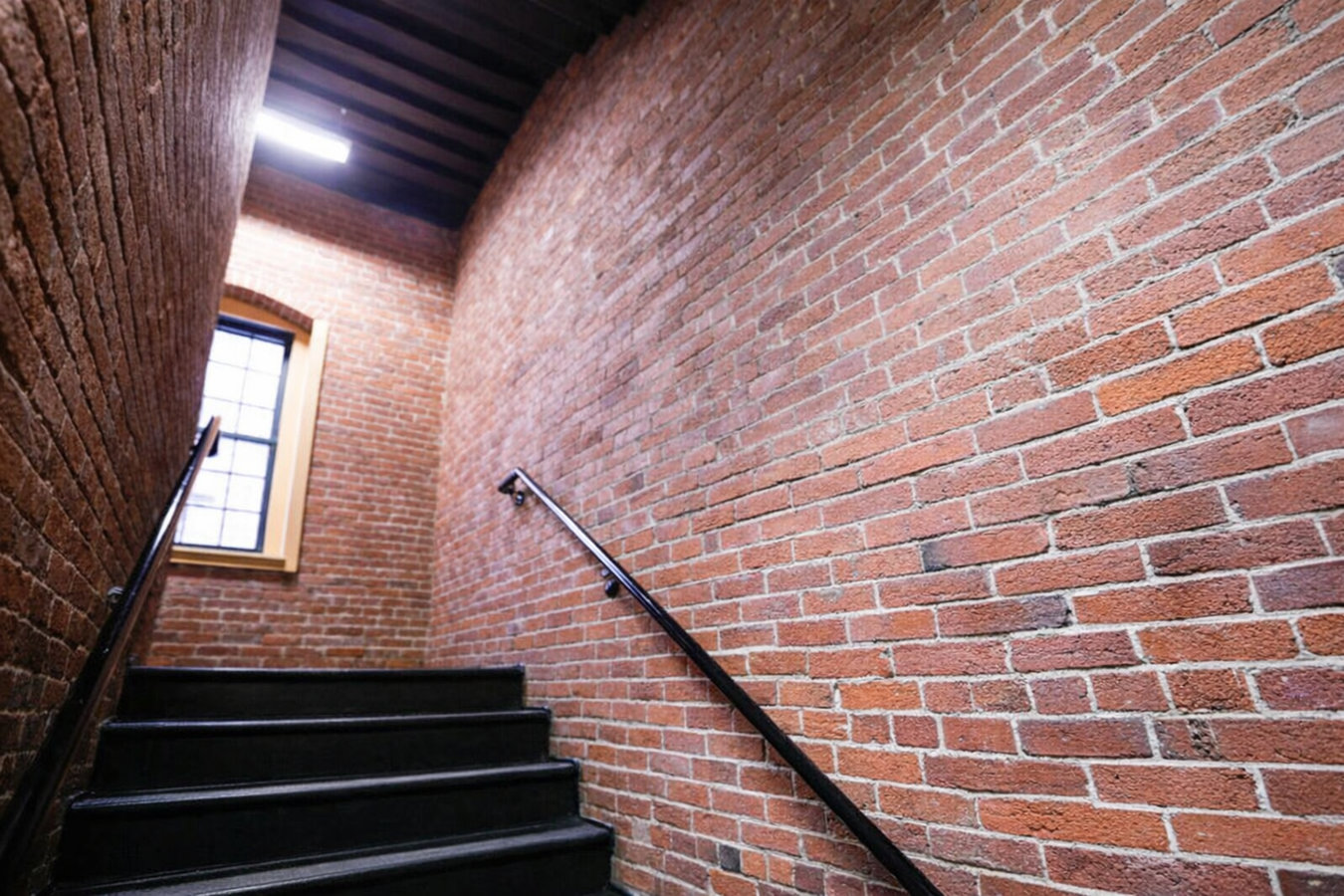
Crumbling mortar and spalling brick get worse every winter. We repair, repoint, and restore your masonry so it holds up through Lynchburg's freeze-thaw seasons.
Masonry restoration in Lynchburg covers repairing crumbling mortar joints, patching spalled brick faces, treating efflorescence, and stabilizing structures that have taken on water damage - most jobs on a chimney or single wall section are completed in one to two days.
If you have noticed soft or missing mortar between your bricks, white chalky staining on your foundation, or bricks that are chipping on their faces, those are signals that water is already at work. Left alone through another Lynchburg winter, small problems become large ones. Masonry restoration addresses the root cause - failing joints and compromised surfaces - rather than patching over the symptoms.
Many of the brick homes we restore in Lynchburg were built between the 1880s and 1950s, when softer lime-based mortars were standard. Getting the mortar match right is critical - wrong materials can damage the brick itself. For chimneys specifically, see our chimney repair page for what that process looks like.
Run a finger along the joints between bricks. If mortar crumbles, feels hollow, or has visible gaps, it is no longer sealing the wall. In Lynchburg's climate this type of deterioration accelerates quickly in homes 30 years or older, and every winter freeze makes it worse.
That chalky white residue - efflorescence - means water is moving through your masonry and carrying dissolved salts outward. On sloped Lynchburg lots where water drains toward the foundation, this is especially common. It signals ongoing moisture intrusion, not just a cosmetic issue.
Hairline cracks in mortar joints are normal, but cracks that run diagonally across several bricks or follow the joints in a stair-step pattern deserve attention. These patterns often point to settling or drainage problems, and in older Lynchburg brick neighborhoods they tend to worsen through winter freeze-thaw cycles.
Spalling - where the face of a brick peels away in layers - means water has penetrated the brick and frozen inside it. Once a brick spalls it cannot be repaired, only replaced. Catching it early, before damage spreads to neighboring bricks, keeps the cost manageable.
Our restoration work begins with a thorough assessment - we look at the mortar joints, brick faces, drainage patterns, and any cracking before recommending a scope of work. The most common repair is repointing: grinding out failing mortar to a consistent depth and packing in a fresh mix that is matched to your existing masonry. For homes where the damage has gone deeper, we also replace individual bricks, repair chimney crowns, and treat efflorescence at its source.
When the structure itself needs more than surface repair - bowing walls, significant cracking, or a leaning chimney - we will tell you honestly and recommend the right next step, which may include our fireplace installation or stone masonry services for homes being partially rebuilt or updated. After restoration, we can also apply a breathable water repellent to slow future water absorption - particularly useful on Lynchburg lots where drainage keeps masonry surfaces wet for extended periods.
Best for homes with soft, crumbling, or missing mortar joints where the underlying bricks are still sound.
Right for walls or chimneys where individual bricks have spalled beyond repair and need to be swapped out.
Suited to older Lynchburg homes where the top of the chimney has cracked, letting water run straight down into the flue.
For homeowners dealing with persistent white staining and moisture intrusion at or near grade level.
Lynchburg sits in the Virginia Piedmont where winter temperatures swing above and below freezing multiple times each week. Every time water trapped in a mortar joint freezes, it expands slightly and pries the joint apart a little further. Over years, that process opens gaps that let in more water, which causes more damage. Lynchburg homeowners tend to see mortar deteriorate faster than those in milder climates - which is why a regular inspection every few years makes a real difference in catching problems before they compound.
The city also has a substantial inventory of brick homes from the 1880s through the 1950s - particularly in neighborhoods like Rivermont and Daniels Hill. Those homes were built with softer brick and lime-based mortar, and they require a contractor who understands the difference before choosing a replacement mix. We work across Lynchburg and into surrounding communities, including Madison Heights and Amherst, where many homes share the same age and brick characteristics. The National Park Service Preservation Briefs are the standard reference for how to work with historic masonry correctly, and we follow those guidelines on every older home we restore.
We reply within one business day. We will ask a few basic questions - what you are seeing, where on the home it is, and roughly how old the house is - so we arrive at your property ready to assess it accurately.
We walk the affected area closely, probe mortar joints to test how soft they have become, and look at surrounding drainage to understand why the damage occurred. You receive a written estimate covering exactly what will be done and what materials will be used - no verbal quotes.
The crew grinds or chisels out failing mortar to a consistent depth - usually about three-quarters of an inch - before packing in the new mix. Scaffolding is set up on the first morning if needed for chimney or upper-wall work. You do not need to be home, but we ask that you keep vehicles away from the work area.
Fresh mortar needs 24 to 48 hours before light rain and up to a week to reach full strength. We walk the completed work with you, answer any questions, and let you know what to avoid during the curing window. The site is cleaned up at the end of every day.
Free estimate, written quote, no obligation. We reply within one business day.
(434) 215-1411We assess your existing masonry before choosing a replacement mortar. On the older brick homes common in Lynchburg's historic neighborhoods, using a mortar that is harder than the original brick causes the brick itself to crack over time. Getting this right is what separates a repair that lasts 25 years from one that fails in two.
Not every crack or stain requires a full restoration. We tell you what we see, what we recommend, and what you can safely monitor rather than fix right now. Homeowners who get a straight answer instead of an inflated scope of work tend to come back when they do need more.
We have worked on homes in Rivermont, Daniels Hill, Garland Hill, and the mid-century neighborhoods along Boonsboro Road. That local experience means we recognize the common failure patterns in Lynchburg's housing stock and come to the job prepared with the right materials rather than figuring it out on site.
Virginia requires written contracts for jobs above a certain dollar amount, and we provide one regardless of the size of the project. You know the total cost and exactly what is included before anyone picks up a tool.
When these things come together - the right materials, honest scoping, and local experience - the result is a repair that holds up through Lynchburg winters rather than failing at the first hard freeze. That is what we aim for on every job.
Virginia contractor licensing is administered by the Virginia Department of Professional and Occupational Regulation. You can verify any contractor's license status on their website before signing anything.
Build a new masonry or gas fireplace in your Lynchburg home, from footing to chimney cap.
Learn MoreNatural stone walls, steps, and accent features laid and pointed by hand for lasting durability.
Learn MoreSpring fills up fast - reach out now to get on the schedule before the best dates are gone.