Loading...
Serving Lynchburg, VA and surrounding areas. (434) 215-1411
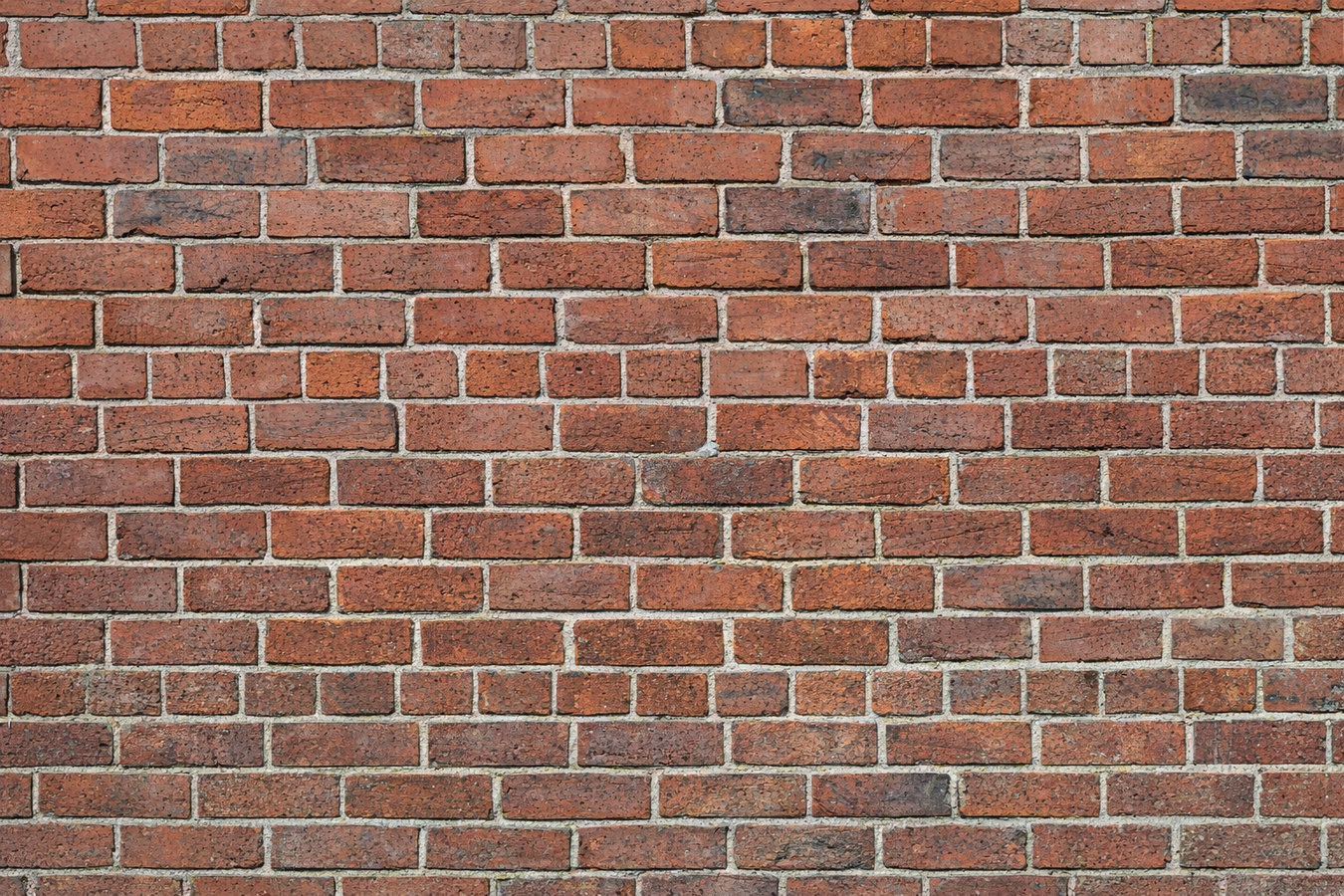
Crumbling mortar lets Lynchburg winters drive water behind your brick. We remove the old joints and repack them so your walls stay tight and dry.
Crumbling mortar lets Lynchburg winters drive water behind your brick. We remove the old joints and repack them so your walls stay tight and dry.
Tuckpointing in Lynchburg, VA means grinding out the failing mortar between your bricks and packing in fresh mortar to seal the wall - most jobs cover a chimney or a wall section and are finished in one to two days.
Mortar is softer than brick by design, so it takes the wear. Over time, Lynchburg's freeze-thaw winters pry those joints open, and once water gets in, the damage compounds fast. You might not see the problem inside your home until it is already expensive. If your home is older, the original mortar may be a lime-based mix that needs to be matched carefully - the wrong replacement mortar can actually crack your bricks. That is where getting this right from the start matters.
Tuckpointing is closely related to brick repair - if the mortar joints are failing, the bricks themselves may have started to spall or crack, and both issues are worth addressing at the same time.
Run your finger along the joints between your bricks. Healthy mortar feels almost as hard as the brick itself. If it feels sandy or comes away in pieces, it has lost its bond. Left alone, those soft joints will only get worse through the next freeze-thaw cycle.
Chalky white streaks or patches that appear on your brick after rain are called efflorescence - mineral salts carried to the surface by water moving through the wall. In Lynchburg's humid summers, this staining can appear quickly on walls where mortar joints have started to open, and it is often the first visible sign that tuckpointing is overdue.
Stand back about ten feet and look at your wall. Dark lines, visible gaps, or mortar that has clearly receded below the brick face are open channels where water collects. This is especially common on Lynchburg homes built before 1960, where the original mortar has simply reached the end of its lifespan.
When mortar fails completely and water gets behind the brick, the face of the brick can begin to pop off in thin layers - a process called spalling. Once spalling starts, it tends to spread. Bricks that look pitted or peeled almost always have failing mortar joints around them that need immediate attention.
We handle tuckpointing on chimneys, exterior walls, foundation sections, and garden structures throughout Lynchburg and the surrounding area. Our process starts by grinding or chiseling out the damaged mortar to a consistent depth, then packing fresh mortar in layers and tooling each joint to match the original profile. On older homes with lime-based mortar, we test the existing mix before selecting a replacement so the repair works with the bricks rather than against them. We also address related damage - if spalling bricks need to come out, we handle that alongside the mortar work.
Chimneys get their own attention because they take more punishment than any other masonry surface. Exposed on all four sides and subjected to heat from below and cold from above, chimney mortar breaks down faster. If your chimney has not been inspected in several years, tuckpointing work often reveals issues that connect to brick repair needs at the cap or crown, and it pairs naturally with brick pointing work on the wall sections below.
Best for homeowners with older wood-burning fireplaces whose chimney mortar has not been inspected in years.
Suited for homes where multiple wall sections show crumbling joints, white staining, or visible gaps from the street.
Ideal when water is entering a basement or crawl space through failing mortar on a block or brick foundation.
The right choice when only a small, isolated section of a wall or chimney needs mortar replaced.
Lynchburg sits at the eastern edge of the Blue Ridge Mountains, and the city regularly sees temperatures that swing below freezing in winter and into the high 80s in summer. That temperature range - combined with about 40 inches of rain per year - puts mortar under constant stress. Every freeze-thaw cycle forces a small amount of water deeper into any crack, then expands it. The neighborhoods near downtown, including Daniels Hill and Garland Hill, are full of homes built between the 1880s and 1950s with lime-heavy mortar that has been working hard for a long time. Using the wrong replacement mortar on these homes can damage the original bricks, so matching the original mix is not optional - it is necessary. The Brick Industry Association has guidance on mortar compatibility that shapes how we approach every older-home job.
Homeowners in Madison Heights, VA and Forest, VA face similar conditions - many properties there have brick chimneys and foundation sections that have not been tuckpointed since they were built. Getting the work done before the next hard winter is what prevents a routine maintenance job from turning into a water damage repair.
Tell us what you are seeing - soft mortar, white staining, gaps in the joints. We will respond within one business day and schedule a time to come see the work in person. A price over the phone is not useful until we look at the actual surface.
We walk the wall or chimney with you and check how much mortar needs replacing. On homes built before 1960, we test the existing mortar to confirm whether it is lime-based so we can select the correct replacement mix. You get a written estimate before anything is scheduled.
The crew grinds out the damaged mortar to a consistent depth, cleans the joints, and packs fresh mortar in layers. We tool each joint to match the original profile and clean any residue off the brick face before leaving. Expect noise from grinding equipment, especially in the morning.
Before the crew packs up, we do a final walkthrough so you can see the repaired joints and ask questions. Fresh mortar needs 24 to 48 hours before it should get wet, so we schedule around the forecast and let you know exactly what to watch for during the curing period.
We match the mortar to your home's original mix. Written estimates, no pressure, one business day reply.
(434) 215-1411Before selecting a replacement mortar on any pre-1960 home, we test the existing joints to determine whether they are lime-based or cement-based. Using the wrong mix can crack original bricks over time. This step is standard for us - not an upgrade.
Virginia requires masonry contractors to hold a current license through the Department of Professional and Occupational Regulation. We carry that license on every job, which means you are protected if anything goes wrong - and it means we meet minimum standards for training and insurance.
Daniels Hill, Garland Hill, Rivermont - we have worked on the brick homes in these areas and understand what they need. The character of older Lynchburg neighborhoods is worth preserving, and a tuckpointing job that blends in is a better outcome than one that draws the eye.
You receive a written scope of work before anything is scheduled. We do not pressure you to sign on the spot. The Brick Industry Association recommends getting multiple quotes for mortar work - we encourage it. You can verify our approach at gobrick.com.
Every tuckpointing job we complete is backed by a final walkthrough so you can see the work and ask questions before we leave. You should feel confident about the repair - not just relieved it is finished.
When spalling or cracked bricks accompany failing mortar, brick repair addresses the masonry units themselves alongside the joints.
Learn MorePrecision mortar work on detailed or decorative brick surfaces where joint profile and color matching are critical to the finished result.
Learn MoreMortar that crumbles now will let water in all winter. Call today or request a free estimate and get on the schedule before the cold arrives.