Loading...
Serving Lynchburg, VA and surrounding areas. (434) 215-1411
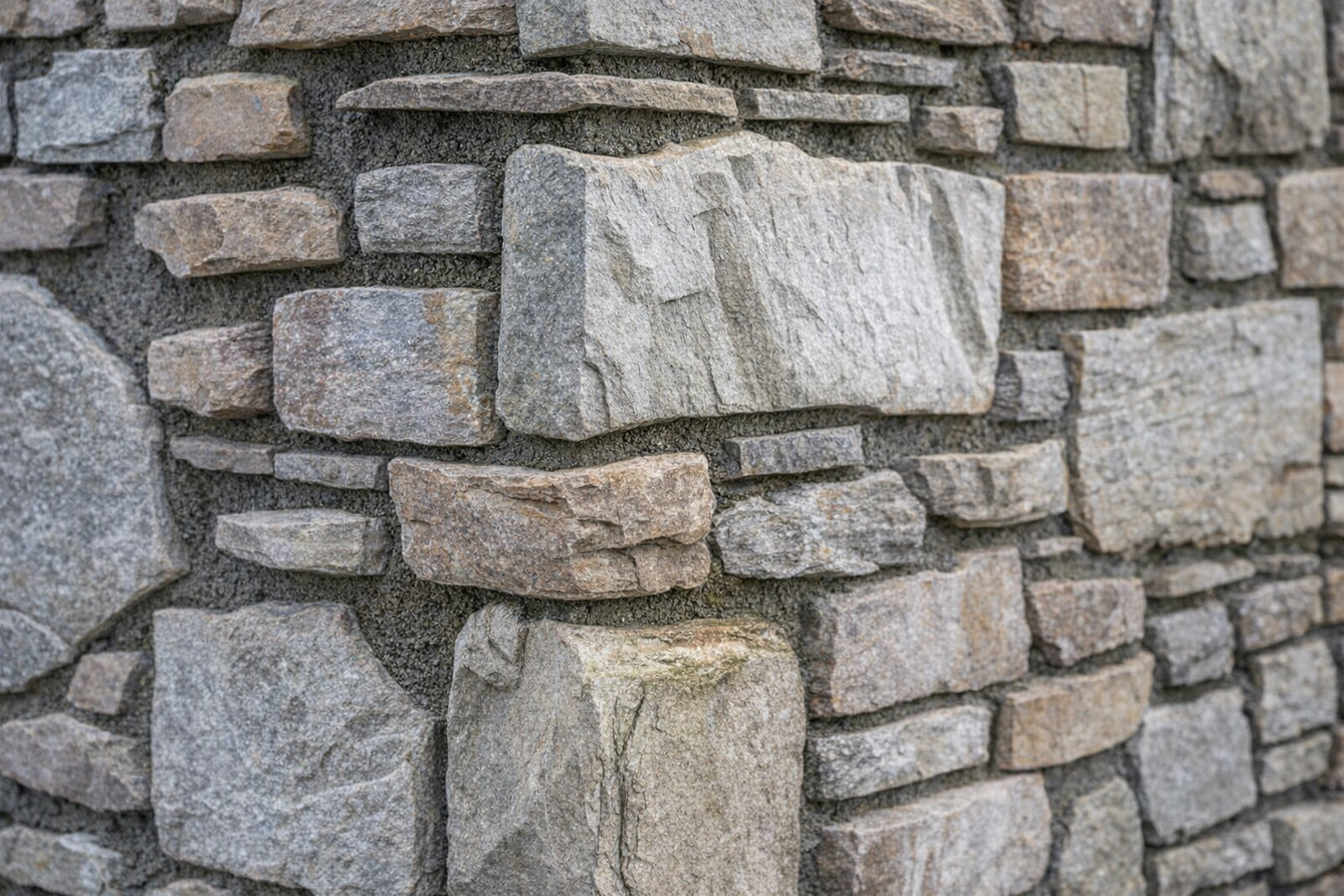
Your stone wall, steps, or retaining wall should last decades - not crack apart after a few winters. We build and repair stone masonry in Lynchburg using materials and methods matched to the local climate.
Stone masonry in Lynchburg covers building or repairing stone walls, steps, retaining walls, patios, and decorative features using natural or manufactured stone set with mortar, with most projects completed in one day to a week depending on size.
Most homeowners contact us because something has started to fail - a retaining wall leaning out, steps that wobble underfoot, or mortar crumbling from joints after a hard winter. Stone masonry in Lynchburg is as much about understanding local soil and climate conditions as it is about laying stone, and the two go together in every project we take on.
If your project involves covering a surface rather than building freestanding walls or steps, our stone veneer installation service is the natural starting point - it uses many of the same materials at a lower installed cost and weight.
Run a finger along the joints between the stones on your wall or chimney. If the mortar feels soft, sandy, or breaks away easily, it is no longer sealing out water. In Lynchburg, repeated freeze-thaw winters break down mortar faster than in milder climates - joints that look minor in fall can be open gaps by spring.
A retaining wall that is no longer standing straight is telling you the pressure behind it exceeds what the structure can handle. This is a safety issue, not just cosmetic. Lynchburg's steep lots concentrate soil and water pressure against retaining walls, making this one of the most common masonry failures homeowners here face.
Small hairline cracks can be normal settling. Cracks wide enough to slip a coin into - or ones that have visibly grown over a season - mean water is getting in and the structure may be moving. Lynchburg's wet springs and freeze-thaw winters accelerate this process, so a small crack in October can become a serious problem by March.
A stone step or path stone that rocks when you stand on it means the base beneath it has settled or washed out. This is both a tripping hazard and a sign that the original prep has failed. On Lynchburg's hilly lots, water runoff often erodes the compacted base over time, especially if drainage was not properly directed from the start.
We build new stone features - walls, retaining walls, steps, patios, and garden borders - using natural fieldstone, limestone, bluestone, and manufactured stone. Every project starts with proper base preparation, because a wall set on well-compacted gravel or a correct concrete footing will outlast one built without it by decades. For homeowners who want the look of stone on a vertical surface without the full weight of a freestanding wall, stone veneer installation delivers the same visual result at a lower material and labor cost.
We also repair and repoint existing stone masonry - cleaning out failed mortar and packing in fresh material matched to the original profile and color. For older Lynchburg homes where the original stonework used lime-based mortars, using the wrong modern mix can crack the stone itself, so we assess the existing work before we mix anything. When a stone structure has more serious problems - leaning walls, large shifts, failed footings - we rebuild from the footing up. If your project connects to the exterior of your home and you are also considering brick pointing on adjacent masonry, we can scope both at the same visit.
Best for homeowners building walls, retaining walls, steps, or patios from scratch on a prepared base.
Best for homeowners with structurally sound stone that has deteriorating mortar joints or minor surface damage.
Best for homeowners with leaning, bulging, or structurally compromised walls that need to come down and go back up correctly.
Lynchburg sits in the foothills of the Blue Ridge Mountains and regularly sees winter temperature swings that cross the freezing point multiple times in a single week. That repeated freeze-thaw cycle is the primary reason older stone walls and steps in this city develop cracked mortar, loose stones, and settlement issues. The mortar formula a mason chooses has to be flexible enough to handle those swings without cracking - a mix that performs well in a milder Virginia climate may fail here within a few seasons. The Natural Stone Institute and the Mason Contractors Association of America both publish guidance on material selection for freeze-thaw climates that informs how we approach every project.
Lynchburg's older neighborhoods also carry a large stock of pre-1960 homes with original stone foundations, chimneys, and decorative masonry. Many of those original structures used lime-based mortars that behave differently from modern cement-heavy products, and the wrong repair material can actually damage bricks and stone rather than protect them. Homeowners in Amherst often have rural properties with fieldstone walls and older stone features that need compatible repair mortars, while those in Bedford more commonly need retaining walls on sloped lots. Both types of work require understanding local site conditions before picking up a trowel.
We will ask a few questions about what you are building or repairing and whether you have photos to share. Stone work is difficult to price without seeing the site, so we will set up a visit rather than give you a rough number over the phone.
We walk the project area, check slope, drainage, access, and the condition of any existing stonework. You receive a written estimate breaking out materials and labor separately. We also confirm at this visit whether a permit is required through the City of Lynchburg's Building and Development Services.
For retaining walls or structural work, we handle the permit application. Once permits are in order and materials are ordered, you get a confirmed start date. Permit timelines in Lynchburg typically run a few days to a couple of weeks depending on project type.
We prepare the base, set stone course by course, and clean up debris at the end of each workday. After the mortar cures - 24 to 48 hours minimum for foot traffic - we do a final walkthrough with you before we consider the job complete.
Free written estimate - no commitment until you decide to move forward.
(434) 215-1411We select mortar formulas specifically suited to central Virginia's freeze-thaw cycle, not generic mixes pulled off a shelf. That choice is what separates stone work that holds up for decades from work that starts failing within a few winters.
Several Lynchburg neighborhoods - including parts of Garland Hill and Diamond Hill - require Historic Preservation Commission review before exterior work begins. We know when that review applies and how to navigate it, so your project does not get stopped after work has started.
Virginia requires masonry contractors to hold a state license through the Department of Professional and Occupational Regulation. We carry that license and can show you the number before we start. You can verify it yourself on the{" "}DPOR website in about two minutes.
Every estimate we give is in writing and itemized by materials and labor. We do not change that number once work starts unless you ask us to do something different. Predictable pricing is something homeowners in this city tell us they rarely get from other contractors.
Those four things together - right materials, permit knowledge, a verifiable license, and transparent pricing - are the baseline for stone masonry work worth paying for in Lynchburg. If a contractor cannot check all four boxes, it is worth asking why. Any reputable stonework company should be able to answer those questions without hesitation.
Repoint failing mortar joints on brick walls and chimneys to stop water from getting behind the surface.
Learn MoreAdd the look of natural stone to exterior walls and interior accents without the full weight of a freestanding structure.
Learn MoreSpring booking fills up fast - reach out now and lock in your start date before the best weather window closes.